You turn on the sink, and fill a glass to drink. Where does the water come from? The ocean? The Mississippi River? Maybe a nearby lake?

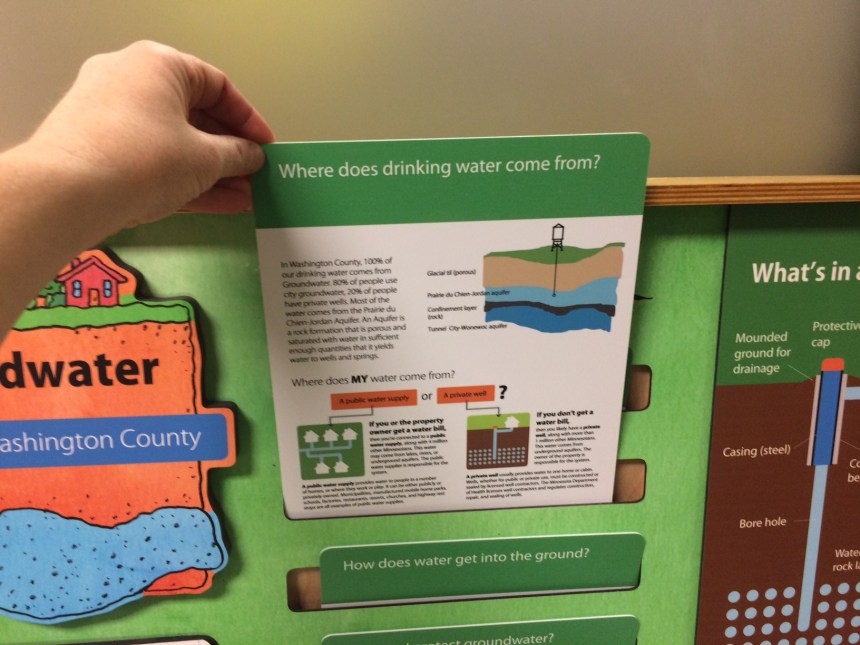
When glaciers melted at the end of the last Ice Age, some of the water soaked down into the ground and filled empty pore space in sandstone layers deep below. These eventually became the aquifers that we use for drinking water today. Groundwater provides 100% of the drinking water for people in Chisago, Isanti, and Washington Counties, as well as many northeast metro communities including White Bear Lake, Lino Lakes, and Columbus.
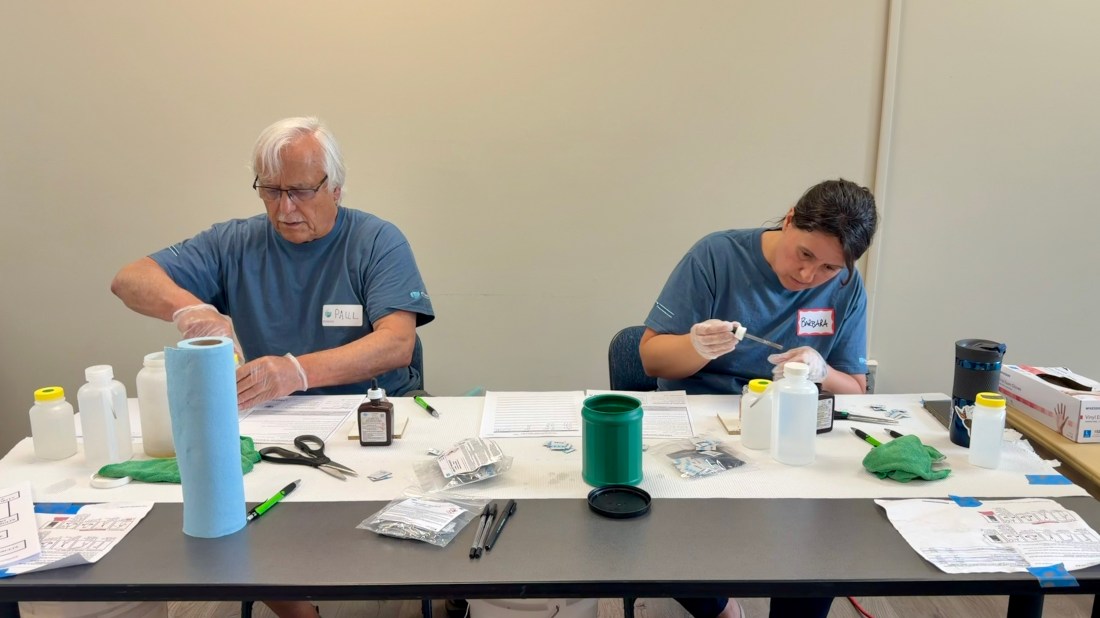
If you live out in the country on a private well, it is actually your responsibility to test your water regularly to ensure that it is safe to drink. It is recommended that you test coliform bacteria every year, nitrate every other year, arsenic and lead at least once, and manganese before a baby drinks the water. Testing is even more important if you have young children in your home.
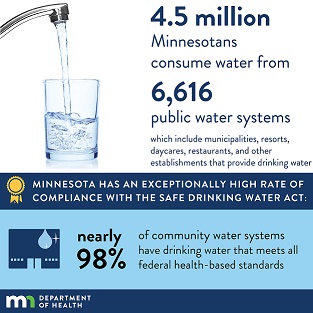
East and northeast metro communities also use wells to provide water for homes and businesses. As with all public water systems in Minnesota, these are routinely tested for more than 100 pesticides and industrial contaminants, as well as lead, copper, nitrate, 13 different inorganic chemicals, and even radioactive elements. Systems serving more than 1,000 people are also tested at least monthly for coliform bacteria. Statewide, the Minnesota Department of Health reports that more than 98% of Minnesota’s 6,616 public drinking systems met all federal health based drinking water standards in 2025.
Because public drinking water systems are tested frequently, cities are able to respond quickly if new problems are discovered. In Stillwater, for example, the city utilizes eight wells that range in depth from 83 to 305 feet and draw water from the Prairie Du Chien-Jordan and Jordan aquifers. In late 2022, testing revealed that Wells #6 and #10 contained PFAS levels exceeding health-based guidance values, while Well #9 tested just below these thresholds. All three wells were closed down. This May, Well #10 reopened after the city finished constructing a temporary treatment facility that uses granular-activated carbon to filter out the PFAS.
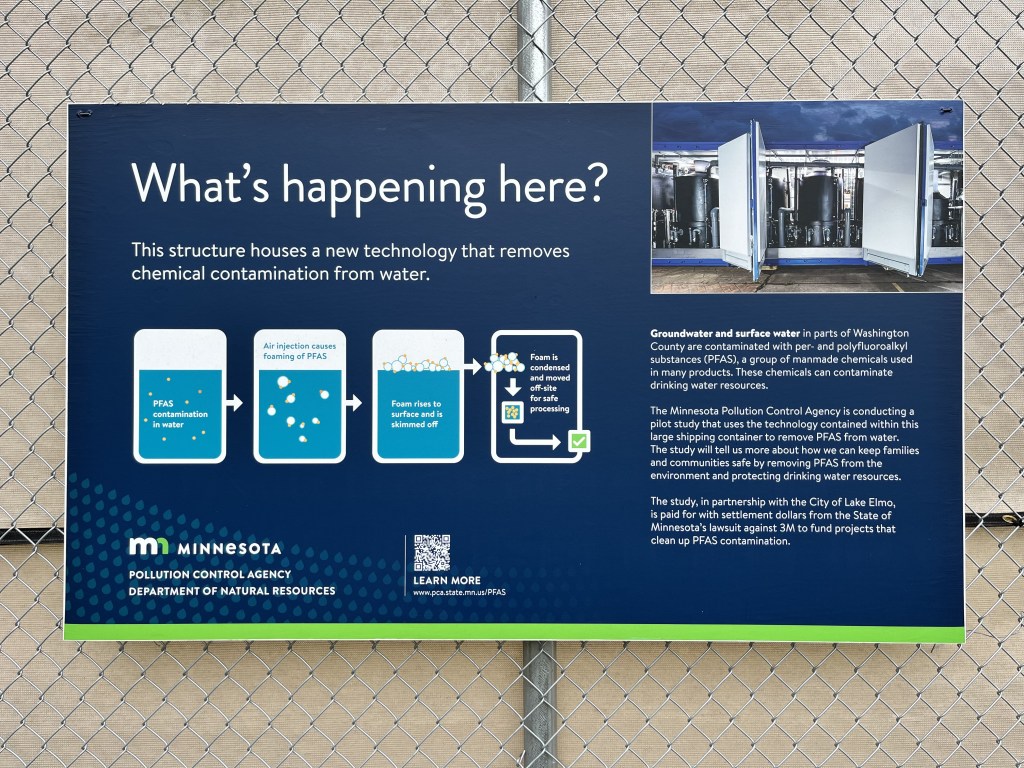
Similarly, the communities of Afton, Baytown Township, Cottage Grove, Denmark Township, Grey Cloud Island, Hastings, Lake Elmo, Lakeland, Lakeland Shores, Maplewood, Newport, Oakdale, Prairie Island, Saint Paul Park, West Lakeland, and Woodbury have all utilized funds from the 3M PFAS settlement to complete community drinking water projects ranging in scale from new community water treatment plants to whole-home water filter systems, installed at homes with private wells. As a result, all of these communities are able to provide safe drinking water for their residents.
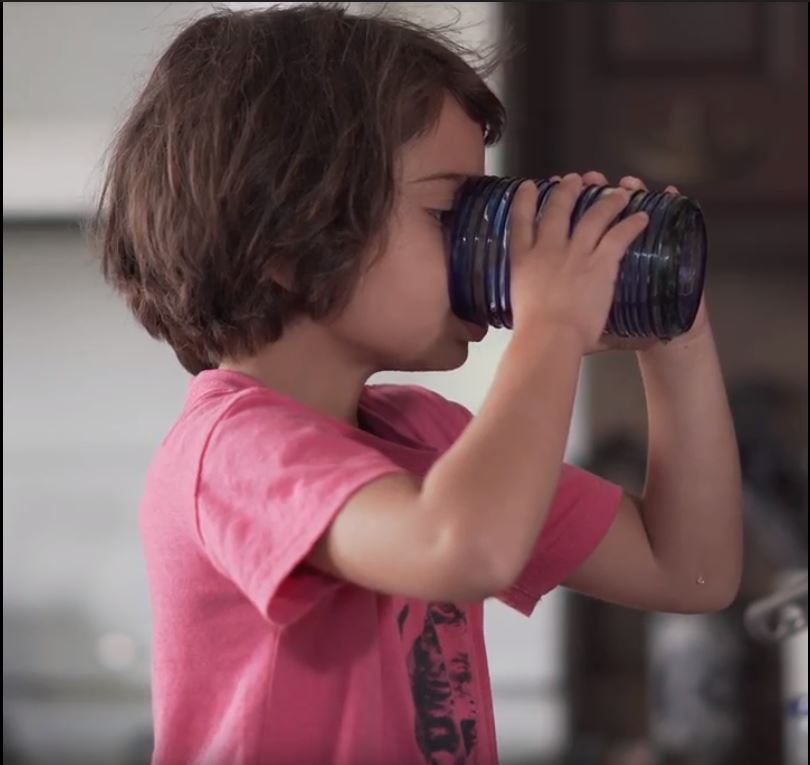
Nitrate from fertilizer is another common groundwater contaminant that affects rural communities in particular. The biggest risk associated with elevated nitrates is a disorder called “blue-baby” syndrome (methemoglobinemia), which can affect pregnant women and infants younger than six months old that drink formula mixed with water. Blue-baby syndrome reduces the oxygen carrying capacity of blood, causing babies to turn bluish, and can also cause long-term digestive and respiratory problems. A growing body of scientific evidence also suggests that elevated nitrates may cause health impacts for adults, including increased heart rate, nausea, headaches, and abdominal cramps, and possibly gastric cancer.
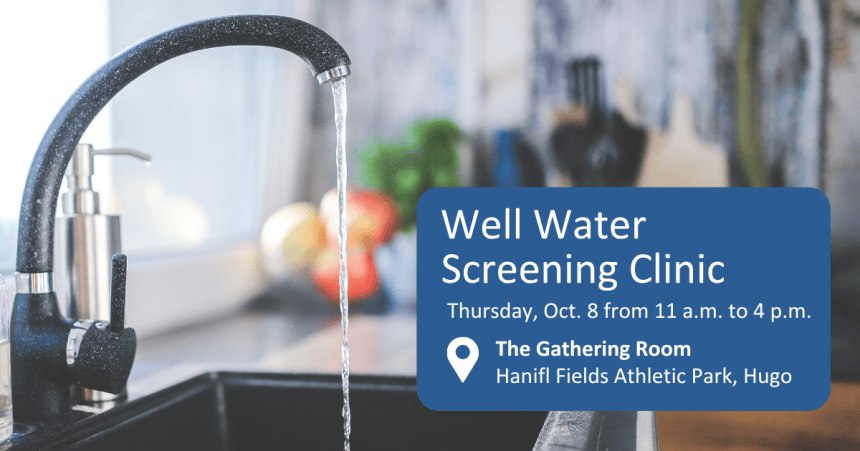
On Thursday, October 8 (11am-4pm) the East Metro Water Education Program will host a free well water screening clinic for private well owners at Hanifl Fields Athletic Park in Hugo (7032 137th St. N).
During the clinic, participants can bring in water from their homes to be tested for nitrate and chloride (salt). You can wait for your results or request them via email. Experts will also be on hand to discuss wellhead protection and groundwater concerns, including arsenic, bacteria, pesticides, and Perfluorinated Alkylated Substances (PFAS). This clinic is free and open to everyone, regardless of what city, county or state you live in.
Learn more about the water screening clinic and pre-register.
Co-sponsors for the water screening clinic include the Lower St. Croix Watershed Partnership, Washington County, Washington Conservation District, Brown’s Creek, Carnelian-Marine-St. Croix and Valley Branch Watershed Districts, City of Hugo, Minnesota Groundwater Association, and the Minnesota Well Owners Organization.


